
The
Contessa has recently struck the hearts of many Indian car enthusiasts, the
upright A pillar, along with a C pillar that merges with the trunk gives it
that 80’s muscle car look. Agreed it came in an under powered diesel which is
far from a 327, let alone a V6.
 |
| Vauxhall FE VX |
The start
of the Contessa
The
Contessa starts it life as a Vauxhall FE VX, the production of the Vauxhall was
stopped in the year 1978, however they agreed to manufacture parts until 1994,
but in the year 1979 Hindustan Motors the manufacturers of the Ambassador
approached Vauxhall for the body for production in India as it wanted to launch
a premium sedan in the Indian market. The production of the car in India
started only in the year 1984.The cost to Hindustan was £1.5m including all the
blueprints for manufacture. In August 1980 an engineering team was tasked
with making the mechanical changes which was mainly the engine &
transmission. The engineers also used as many locally produced parts to
replicate the interior and dashboard; this was done as a further. The car was
manufactured in Uttarpara manufacturing plant. The Contessa was manufactured in
India at a time when the manufacturing was very primitive, hence the cars
lacked the finesse that the FE VX had. But this was not an issue to us Indian
buyers at the time as it was almost space age when compared to the Ambassador.
The only competitor in India at the time was the Standard 2000.
What
powered the Contessa?
The
contessa had a modern look from the outside but the power house was far from
modern. Hindustan’s locally produced 1489cc BMC B Series engine that dated back
to 1953 and a version of a BMC 4 speed gearbox from the same era with no
synchromesh on 1st gear. The engine made 50bhp with the standard compression
ratio but a “high output” 54bhp engine was available with a higher 8.3:1
compression ratio. For the next model Hindustan motors had negotiated with
Isuzu to provide an engine for the contessa. The later on B models were fitted
with an Isuzu 1.8litre 4ZB1 petrol engine and associated 5 speed gearboxes. The
year 1987 saw the contessa classic with a 1.8L petrol engine, through the years
of production the basic ex-BMC engine was canceled. Throughout the model years
there were very few changes with things like AC being added to keep it as a
premium as possible. In 1990 the contessa got a 2.0L Isuzu 4FC1 diesel engine,
and in 1996 a turbo-diesel was also added. The 2.0L diesel produced 70 hp,
123Nm of torque and was efficient. The maximum power from the 1.8L engine was
88 BHP in the earlier models and later on 75 BHP for the locally manufactured
engines. The year 2000 saw the 1.8L engine get fuel injection to meet emission
norms.


Ride and
handling
The
contessa was fitted with rack and pinion steering setup, the rear suspension
was a 5-link suspension setup with Panhard rods preventing the axle from
flexing thus leading to instability. The car had a wide track giving it a very
wide stance. The contessa classic had double wish bone suspension for maximum
comfort. The Contessa classic was advertised as a highway cruiser.

Comfort and
interiors
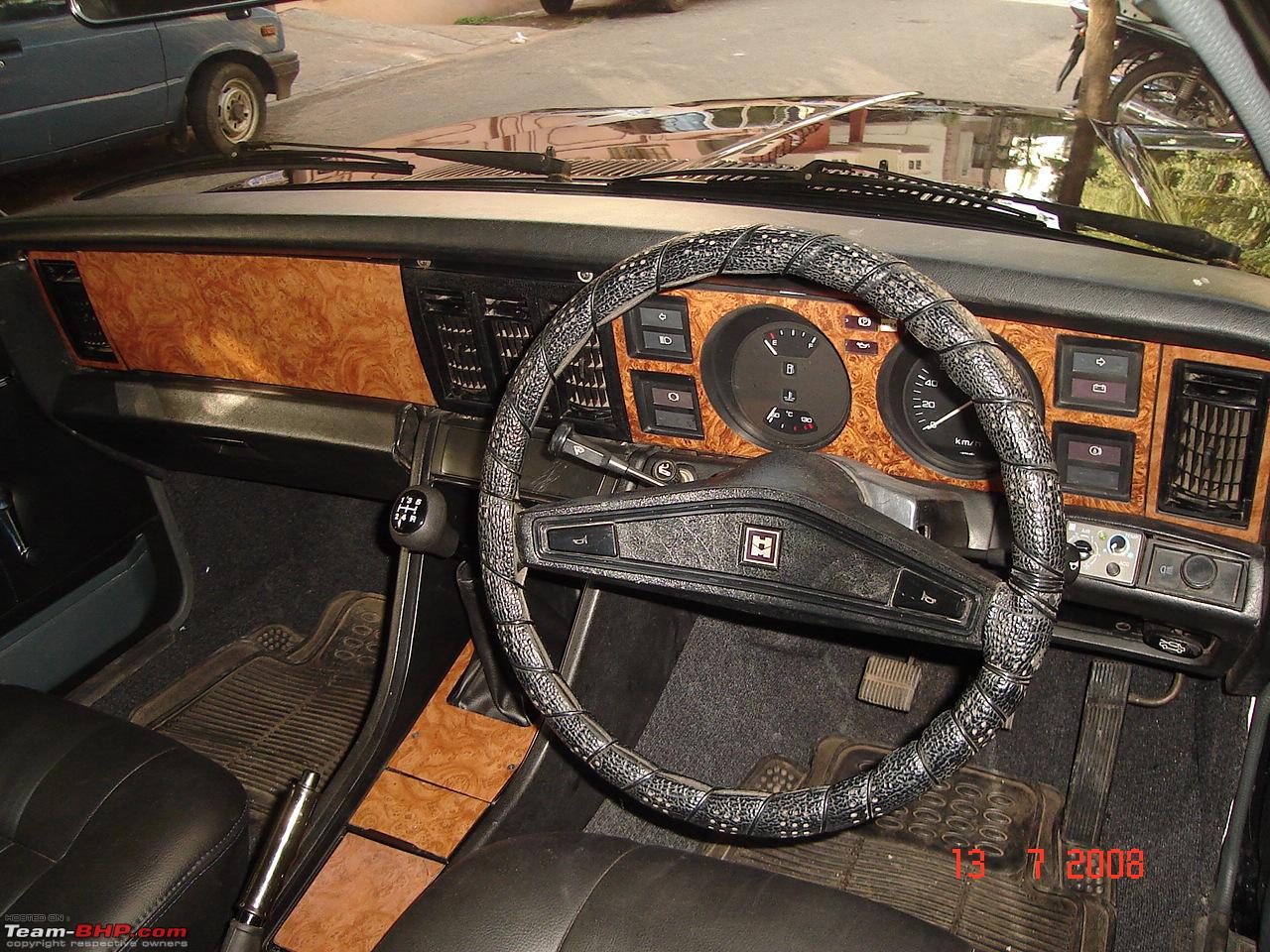
The
interiors had a lot of space as it was a very big car for its time. It had deep
contoured bucket seats unlike some of the other cars that had bench seats, the
rear seat even came with an armrest, and the front seats had retractable
function. The car had an AC option and the windows were later on power operated
as well. The Contessa is now turning out to be a desirable classic car that car
enthusiasts would want to own. sadly 2002 was the final year of production as the car just was not selling with all the competition.

Very informative write up.
ReplyDeleteGreat article 👍👌
ReplyDeleteInformative. Loved it.
ReplyDeleteI was not aware of Contessa's rich legacy and the Vauxhall lineage. Its informative and also technically well put across. Keep the show going.
ReplyDelete